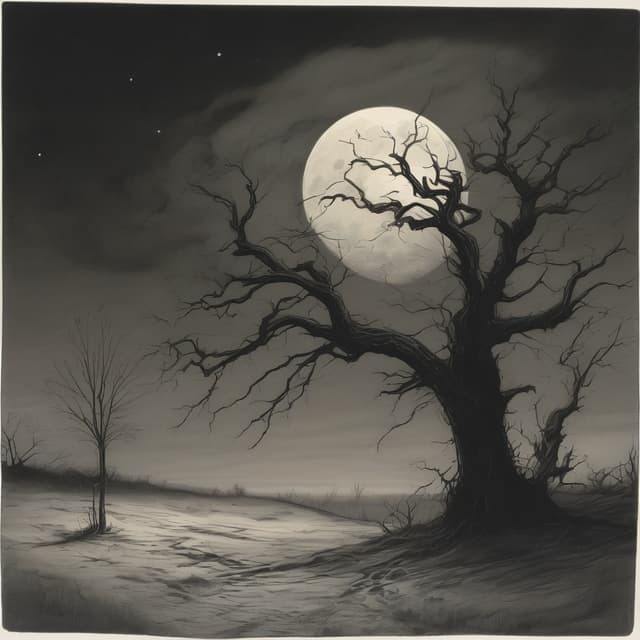
| Theories | Supernatural forces • Altered states of reality |
| Phenomenon | After Dark |
| Description | A mysterious and potentially dangerous occurrence that happens between dusk and dawn across cultures and throughout history |
| Common Perceptions | The world transforms in unsettling ways once the sun goes down, and the darkness of night is often viewed with trepidation |
| Reported Experiences | Strange occurrences • Unsettling experiences • Encounters with bizarre creatures |
As the sun dips below the horizon and darkness falls, the world transforms in ways that remain not fully understood. Across cultures and throughout history, people have long associated the hours between dusk and dawn with strange occurrences, unsettling experiences, and even encounters with bizarre creatures. This collective unease with the night is often described using the umbrella term "After Dark" - a reference to the mysterious and potentially dangerous forces that seem to manifest when the light fades.
The concept of "After Dark" likely has roots stretching back thousands of years, appearing in the folklore and oral traditions of diverse societies around the globe. Ancient cultures often imbued the night with supernatural significance, viewing it as a time when the boundaries between the mortal and spiritual realms blurred. In many belief systems, nightfall was associated with malevolent spirits, shape-shifting creatures, and other uncanny phenomena.
While the specifics vary, common themes emerge - the night is a time of heightened vulnerability, when normal rules and physical laws no longer seem to apply. Numerous theories have been proposed to explain this phenomenon, ranging from the metaphysical to the scientific:
Ultimately, the true nature of "After Dark" remains elusive, with a wealth of reported incidents but little consensus on the underlying cause.
Across the world and throughout history, people have described a wide range of unsettling or unexplained events and encounters associated with the hours of darkness:
While many such reports are dismissed as superstition or the product of overactive imaginations, the sheer volume and consistency of accounts lend an air of credibility. Eyewitnesses are often normal, rational individuals with no obvious motive to fabricate their stories.
The pervasive unease surrounding "After Dark" has had profound impacts on societies around the world. Fear of the night has shaped architecture, urban planning, and even social customs in many cultures. Streetlamps, security systems, and other measures to "push back the darkness" are common, while curfews, travel restrictions, and warnings about venturing out alone after sunset persist.
Folklore, literature, and the arts have long grappled with the unsettling qualities of the night, from Gothic horror stories to expressionist paintings capturing the eerie atmosphere. Even modern science and technology have struggled to fully illuminate and demystify the darkness, leaving ample room for speculation and the unknown.
Ultimately, the persistence of "After Dark" as a cultural phenomenon speaks to a deep-seated human unease with the mysteries that lurk beyond the reach of daylight. As long as the sun sets and the world is enveloped in shadow, the unease and fascination surrounding this elusive aspect of the night will likely endure.
